
Richard shares his wonderful poem about nature.
Why is life not like a chestnut tree?
The Chestnut Tree…
Forty feet tall branches scattered in countless directions,
even more Leaves of different size and
Shades of Brown and Gold.
The Strength and Power of time has made you
Strong and Beautiful.
Birds from the Blue Ocean above perch on carefully
chosen branches;
The Blackbird – Chaffinch – Magpie
Woodpigeon – and Starlings.
They all come to gossip about their families.
Bees hum, a Hoverfly examines a branch, Caterpillars crawl
carefully here and there, a Red Admiral flutters through
Branches wondering where to land trying to keep away from
all those predators.
All this Menagerie finds some shelter from the Rain and
Wind from this magnificent stature of Wood and Leaves.
All the Clouds but one moves away to somewhere else.
The gentle patter of Rain stops.
The Sun peeks from the side of
a ball of cotton wool to say,
“Hello, I’m here to bring Sunshine into your Heart.”
The Chestnuts, clusters of mace bet on each other to see
who will fall to the Ground first.
On the Ground, the Hands and Fingers of Roots are spread
over the Grass, Twigs and Stones.
The Air of Wind returns moving this gentle giant to and fro,
the Branches Crackle and Creak.
The Sunlight flickers through and between the Leaves
creating Shadow and Movement.
And then, and then, a Chestnut fell, bouncing off the Grass
just in time to be spotted by a Red Squirrel.
Its big bushy tail radiant from the Sun’s kiss.
Another fell, another bounced watched eagerly by the
others from the branches above.
Later on in the day the Sun flew away, a cloth of black
velvet sprinkled with diamonds graced us with its presence
admiring the tree.
The Moon cast its Ambient Light on Branches and Trees.
Silence fell. The Wind disappeared.
Silence, quiet, stillness.
Suddenly, a White Bird appeared, its Heart Shaped Face,
Its beautiful Dark Eyes its magnificent Wingspan landed on
A branch almost halfway from the ground, watching,
listening.
Behind this glorious creature are more Branches, more
Leaves and the Big Pearl of Light.
Chestnut Tree,
What have you seen?
What have you heard?
What do you know?
A whisper of answers gently fell into the air.
Why is Life not like a Chestnut Tree?
Future Pathways supported Chris to develop his skills in DJing. Here, he tells us all about his musical journey.
Chris first got into DJing in 1991 while living in Leeds. He first came across the music scene in 1988 when he took a trip to London. This is where he first listened to Centre Force, a pirate radio station that played 24-hour rave music. During this trip, he went to a warehouse party and this gave him his first proper taste of the acid house scene and rave music.
‘I loved the openness, the vibe, being able to chat to anyone in a non-judgmental environment. For someone who had been through trauma, it was a place where you did not have to explain yourself and you could just be free. It didn’t matter who you were, what you were wearing. Everyone shared everything with complete strangers.’
He later moved to Leeds and started buying records. He got introduced to a friend of a friend who had a slot on the local pirate radio station. Chris started hanging out at the station and at the after-hours blues clubs dotted around Chapeltown. He was then offered his own slot at the radio station and played at most of the blues clubs. He also played a couple of gigs at The Music Factory, one of the most well-known clubs in Leeds, known as the home of B2B Back to Basics.
‘It wasn’t just the music, it was the vibe that was intriguing to me. I got really into the underground side of the scene.’
Chris moved around a lot so ended up selling or losing a lot of his records and gave up DJing. But last year, he decided to get back to it.
By this time, the scene had moved from using vinyl records to digital equipment. So, Chris had to learn to use this new technology. Future Pathways supported Chris to develop his skills and access the tools he needed. Chris’s Support Coordinator at Future Pathways was there to guide him.
‘It has been a massive thing for me that someone is there and takes the time to listen. She gets my story. For me, it’s not just the service, it’s the connection with the person you’re being supported by. To have someone who is open and helpful in guiding you to the services that might help you, that’s the key thing.’
Chris was able to access new tracks to use in his mixes. He also had time at Pirate Studios in Edinburgh. This gave him the chance to practice using club equipment which gave him more confidence.
‘It has been great using the equipment and learning. It has been a great learning curve.’
Making music also boosts Chris’s mental health and wellbeing.
‘DJing has been such a healing thing. I get into my zone. I also love seeing people’s reactions to the music that I play. Having time away from everything takes my mind away from things that are going on around me. It takes you away because you can’t think of that while you’re doing something you have to concentrate on.’
Chris now has a weekly slot on Trax Radio UK. It is the oldest independent dance music station in the UK.
‘You do it from your own room but you are streaming it to the audience. It is a fab thing. It is an indication of how well DJing is going for me. If you weren’t any good, they wouldn’t have you on, especially on a primetime slot like a Friday evening. So that is really big for me, I am really chuffed.’
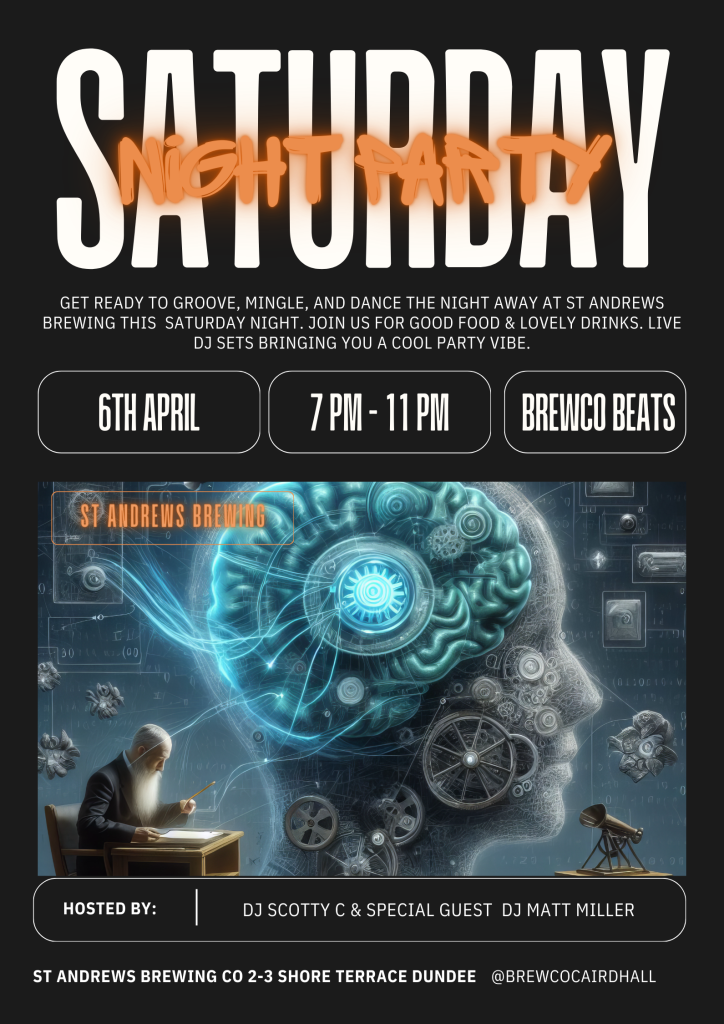
Chris also plays at St Andrews Brewing at Caird Hall in Dundee.
‘I got asked to do some sets before Christmas and they went down a storm. It was four hours long which was intense. But they loved it. And they’ve booked me now for the next few months.’

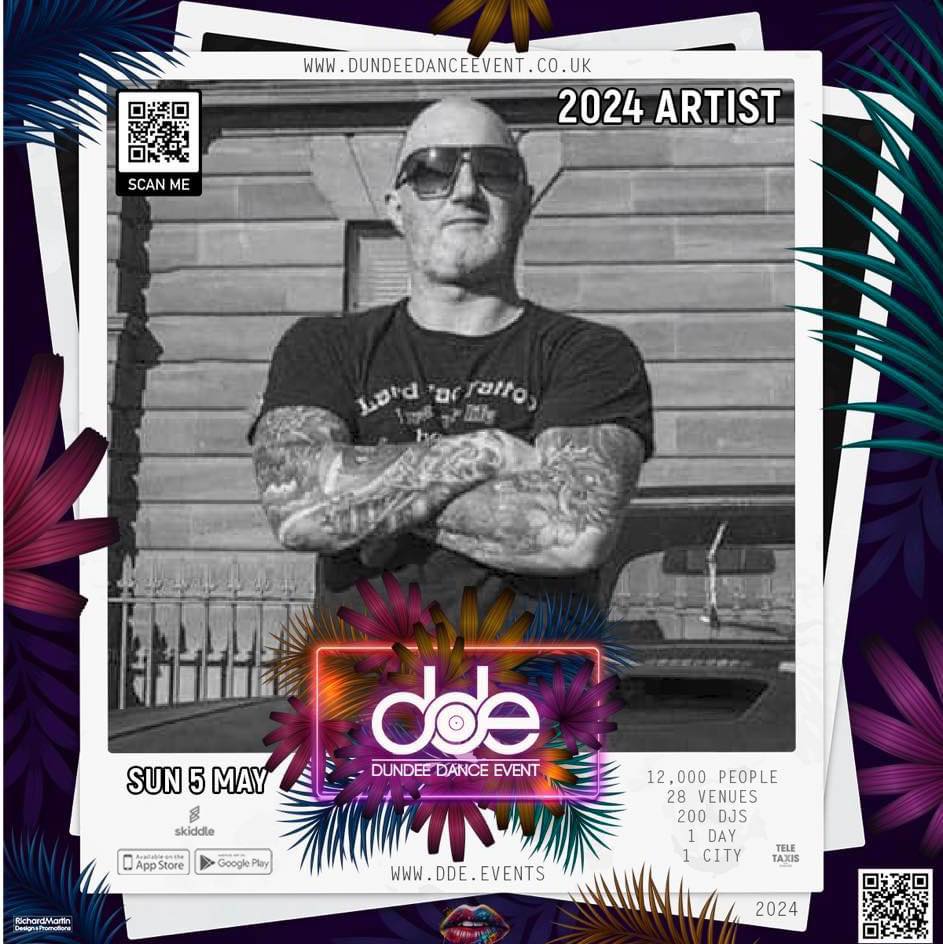
Chris also had an exciting trip to Dundee Dance Event in May. It was the largest event in the UK for up-and-coming DJs. This year, Chris had two sets there. He also has more events coming up.
‘I’ve been invited to go down to Stoke and play with legend Daz Wilcot and Awesome 3, who were a huge PA. I also have a gig at Dundee Pride in the dance tent.’
Chris has plans for his future too.
‘I’m a big fan of seeing people dance and seeing people happy. I hope to make contacts with clubs and get my music out there a bit more. It’s definitely getting there.’
You can listen to Chris’s music at: www.mixcloud.com/ScottyCDJ
Hear his slot on a Friday evening at: www.trax-radio-uk.com
See Chris’s instagram @scottyc_dj
Future Pathways supported Lauchlan with his writing. Here, we find out more about the books he has written.
Lauchlan began writing when he was about 23. At first, he wrote poetry. He found that writing poetry was a way to express his thoughts, both positive ones and negative ones. He then went on to write stories.
Lauchlan started working with Future Pathways last year and since then, we have supported him to write a book. He worked with The Book Whisperers to do this. For example, they gave him advice on how to lay out the storyline.
Lauchlan’s book is called The Diary of a Saffron Assassin. It is a made-up story, but Lauchlan added parts to it from his own life. The book follows a character called Loc, who forms a relationship with the spirit of a young girl. From this, Loc is spurred on to bring justice when he sees bad things happen around him.
Lauchlan says: ‘I found that working with the Book Whisperers gave me direction on how to lay out a storyline. What I enjoy most about writing is being able to put my thoughts on paper and what I find challenging is weaving an acceptable narrative.’
Lauchlan has also published a book called Shanghaied and Shackled. This is about his experience of being in prison in China. He is also working on a follow-up book to The Diary of a Saffron Assassin. This one will have a woman as the main character.

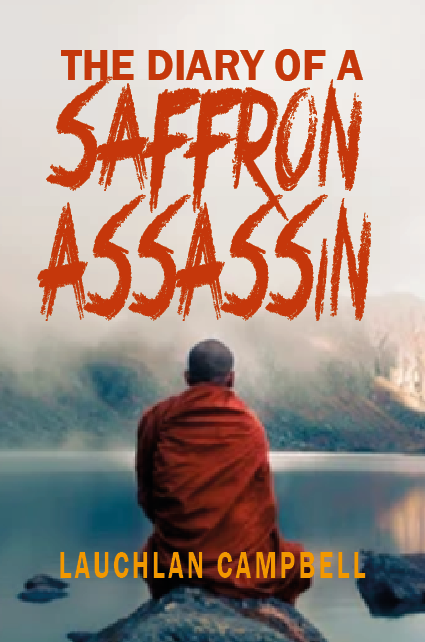
You can read two pieces from The Diary of a Saffron Assassin below.
“In the early morning at the fringes of the Thai-Cambodian border, I stood as a silent silhouette against a tapestry of travel and trade. The air hummed like a Buddhist Mantra with the wearied steps of those Cambodian traders returning to their homes. I could see their facial expressions that they couldn’t erase the horrors of the past, each carrying stories in their mind and weighted bags they clasped tightly in their hands. I also carried a load in the recesses of my tormented psyche – a history of violence and trafficking drugs, of prison in China – for crimes I did commit – and a childhood of silent screams. My depleted spirit ached for something good as it ran towards my future. Here, on this tattered edge of a land scarred by history’s cruel hand, I was hopeful that my pilgrimage of peace would sow the seeds of a brighter future. How wrong I was to be.’’
“Running over, Running over, My cup is full of Running over. This was to show that the spirit of the Lord had filled your soul – in my case, it spilled over into dark waters leading down the wrong path to redemption. I needed to be able to sit in silence away from the turmoil of daily life. I didn’t want the temptation with the availability of alcohol and drugs. It was my decision to extract myself from society, meditate, and keep a calm state of mind regardless of what situation I found myself in.
The next morning a gong echoed around the compound which was our sign to get out of bed. We all began walking to the meditation room and sat on the floor. The classes were held by an Indian teacher but he was not actually present, instead, it was recorded on tape. Sitting with my eyes closed I followed the instructions which was to watch the rise and fall of my breath so that my mind wouldn’t get caught up in other outward distractions and to always return to my breathing if it did. The voice of the teacher went on and on. The sound was disturbing and gave me a feeling of disorientation. What was I doing there listening to a recording that was coming from a machine – and why was it haunting me? I took a slow breath to control myself repeating ‘Om Mani Padme Hum’. A mantra that teaches you to transform your impure body, speech, and mind.”
Lauchlan has published two books so far. Both books are available on Amazon.
Search for ‘The Diary of a Saffron Assassin’ and ‘Shanghaied and Shackled’. Lauchlan has asked that people leave reviews of his books on Amazon.
Lauchlan has kindly given us 15 printed copies of The Diary of a Saffron Assassin to send out to people. If you would like a copy, you can:
• email us at engagement@future-pathways.co.uk
• call us on 0808 164 2005 (lines open Monday to Friday, 10am to 4pm)
Please note that the book does mention some instances of abuse.
Earlier this year, Future Pathways helped David to get a mountain bike to support him with his mental and physical health. Here, David shares his cycling stories and what the bike means to him.
David has always loved cycling and has done it all his life. He raced when he was younger, and cycled across Europe and America. It was important to him to keep up cycling as he got older.
Future Pathways supported David to get a pedal-assist bike. This type of bike has a motor to help you pedal more easily. This is very helpful when it comes to hills.
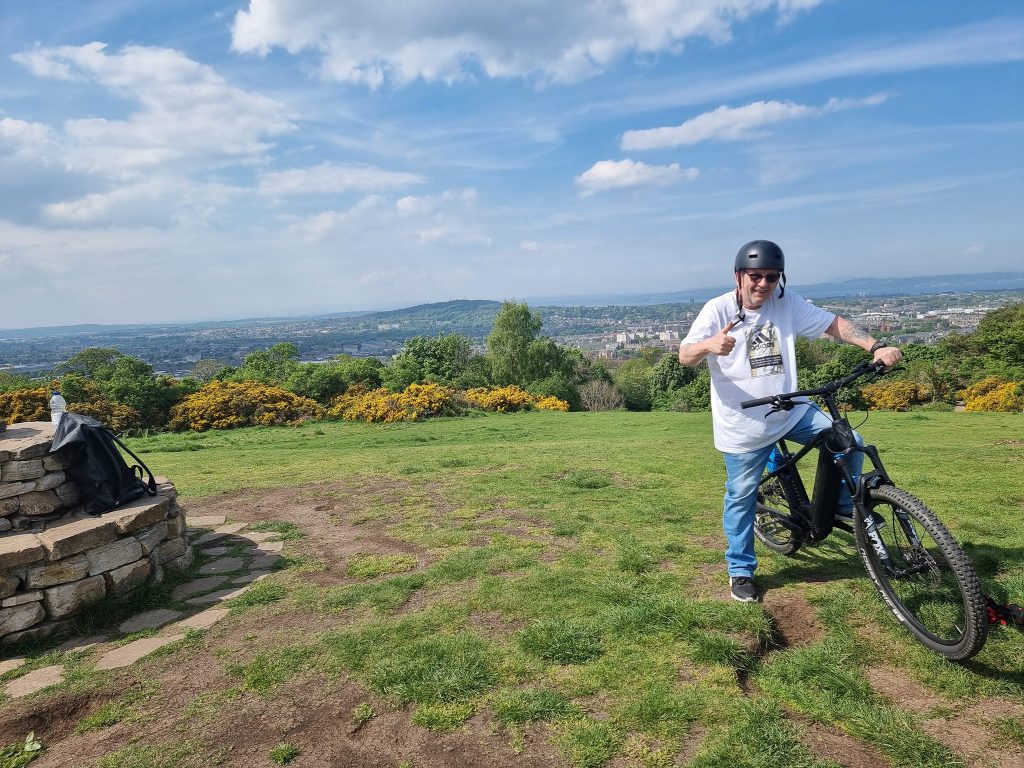
David goes to different places in Scotland and sees lots of scenery on his travels.
‘Where I live is ideal – I am surrounded by cycle paths and cycle networks, Edinburgh is great for it. I’m quite fortunate in that way.’
He has cycled in the Pentlands, Aberlady, North Berwick, Longniddrie, Glen Tress and the Cairngorms. He usually goes by train and then cycles back home. He recently went to Falkirk by train and then cycled all the way back. This was a 35-mile route along the canal and took about 4 and a half hours. His longest cycle was 105 miles, to Hawick and back.
‘You don’t think about the distance. you just carry on. I am out in hail or shine, it doesn’t bother me. Usually I am out every day.’
David looks at the cycle networks online to help him choose his routes. If he likes a route, he thinks about when he will go and for how long. He recently spent a weekend up in the Pentlands with his friend.
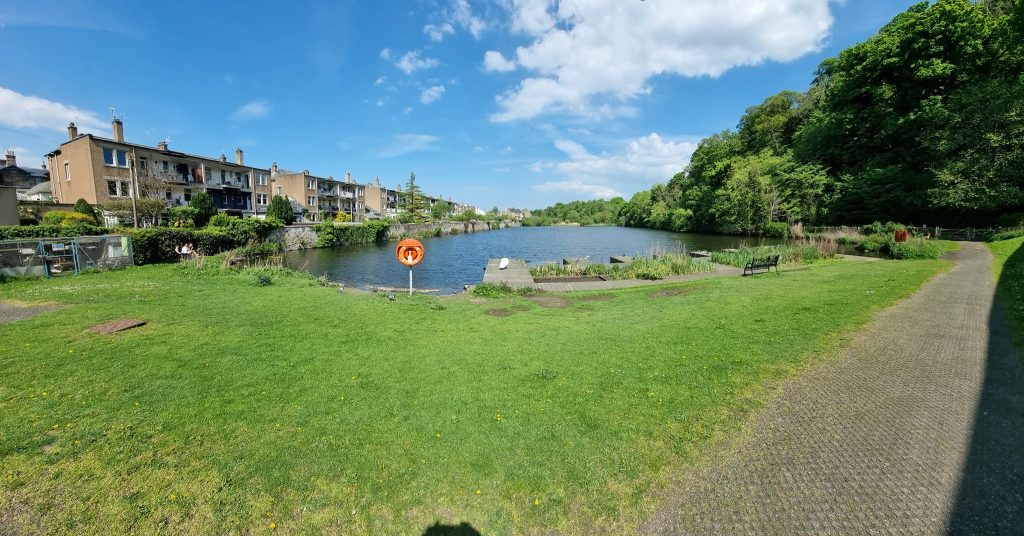
‘My favourite is up the Pentlands, it’s nice up there. It’s like being in the middle of nowhere even though you’re in a city. Me and my pal camped a couple of nights on Bonaly Hill and it was nice. Having that freedom to go where you want. Me and my pal do quite a few cycle trips. We are both bike mad.’
There are lots of things David enjoys about cycling and he knows a lot about bikes.
‘I like the mechanics, physical exercise and just getting out. It is a mixture of things. I volunteer at the bike station in Edinburgh fixing bikes for people or taking parts for new ones.’
Cycling means a lot to David. A couple of years ago, he had to sell his bike and this was difficult for him. Having a bike again has made a big difference.
‘It has been absolutely massive to my physical and mental health. I go everywhere on the bike. I’ve got a bus pass but I’d rather cycle. I don’t have to worry about anyone else.’
One of David’s most memorable routes was going out to Aberlady and cycling along a path that goes all the way to North Berwick. And for the best scenery, David’s favourite places are further north.
‘It has to be the Cairngorms and the Highlands. They are my favourite places any time of year. It is just so brilliant up there, it is spectacular.’
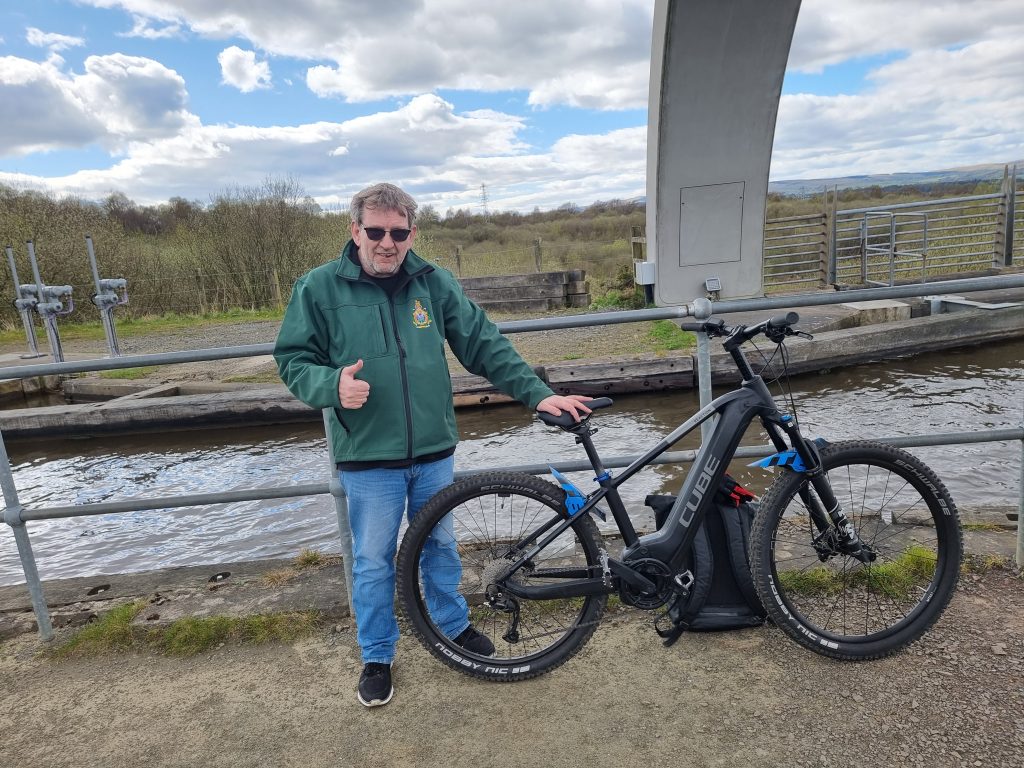
Having the bike means David can connect with local places too. He often cycles to Fresh Start, a charity that he volunteers with in Edinburgh. Fresh Start helps people who have been homeless.
‘Sometimes I’ll go down to Fresh Start and give them a hand or help with the soup kitchen. I worked for Fresh Start in the past and now I volunteer. It is good for the soul.’
What trips are ahead for David? Next year, he is going to Australia to see some of his family. He will see his sister who he has not seen for 20 years and he will meet his nephews too. David is going to take his bike with him.
‘There is some amazing cycling to do out there in Australia. I’m looking forward to the openness, the wild open country, it’s such a big place.’
In the meantime, David will use his bike to support his physical health, boost his wellbeing and to see more places in Scotland.
‘Cycling helps with my mental health. If I’m feeling under the weather, I’ll go on my bike for an hour and I’ll feel OK after it. The bike is everything to me. I wouldn’t be without it.’
The National Cycle Network is a UK-wide network of signed paths and routes for walking, wheeling, cycling and exploring outdoors. Find your route here:
www.sustrans.org.uk/national-cycle-network

We are delighted to share the news that Voices for a Better Future has now been working together for two years.
The group was set up 25 May 2022 and since then, they have gone from strength to strength. They have met online and in-person to work on some interesting and inspirational projects.
Voices for a Better Future is a lived experience voice group. The group is made up of people who have accessed support from Future Pathways. It is a safe space where people can draw on their lived experience to offer guidance to the Leadership Team at Future Pathways.
Over the past two years, the group have taken part in many projects.
- They have given updates via the Future Pathways newsletter to share their work with other people supported by Future Pathways.
- They worked with Iriss and Scottish Recovery Network on a project about co-designing peer support.
- Some members of the group are working with the Procurator Fiscal’s office. They aim to improve processes for people who take part in the National Abuse Inquiry or who are involved in court cases against perpetrators.
- Two members of the group have taken up roles as Alliance Leadership Team representatives.
- The group is working on record search guidance. They want to help people who are trying to find records from their time in care. The group is using their own personal experience to help others.
To mark their two year anniversary as a group, we asked members to share their feelings about the group:
“One thing we have in common is when one of the group is missing we all make sure that person is okay.”
“I myself want one thing – to make sure that sure that the work we are doing will help and benefit people from past, present and future.”
“I would like to use a quote from Helen Keller who said: ‘Alone we can do so little; Together we can do so much.’ This sums up Voices for a Better Future group for me.”
Future updates around current projects the group are working on will be shared via Future Pathways’ newsletter and their dedicated space on the website. You can view this here.
There are currently 13 active members in the group. Membership of the group changes each year to give new people the chance to take part. If you are interested in joining, you can:
- Let your Support Coordinator know if you are interested
- Email Future Pathways at engagement@future-pathways.co.uk
As the group is quite small, it may not always be possible for everyone to join at the same time.
Here is a letter we received from Sandy, who was supported by Future Pathways. He felt the service was there for him, and has now chosen to end his support. He wanted to share his experience of what support has meant to him.
Please note: this text mentions physical and mental abuse.
I was one of the first ones in the door at Future Pathways. I recall meeting the team, and I had been given Garry as my Support Coordinator. I remember getting a cup of tea with both Garry and Flora. Because of the mental and physical brutality I was exposed to in the secure units, I had developed an underlying diagnosis of severe Complex PTSD. Thanks to Garry and Future Pathways I was able to access counselling to discuss this and come to terms with it.
I felt that the phone was always on when I needed the service, they were always just a call away.
As each year progressed, I felt I was getting better and better, the support from Future Pathways helped me in so many various ways. It helped me trust institutions again which I would never have thought possible due to my past.
Now I have reached a point with my Support Coordinator here today, I feel it is now the time to break away from the service. I want to thank you all for the support through a number of challenges, from my physical health decline to help accessing counselling and other supports for my mental wellbeing.
I can’t believe how much I have moved on from being an angry person to the polar opposite. I now feel like each day I am becoming more and more positive. My Spina Bifida could very well be the result of the physical beatings I received in my youth – but again Future Pathways got me in touch with a clinic in Edinburgh which helped with the diagnosis of this. As a result, this allowed for me to prepare and begin to manage my life accordingly.
I mean this with complete sincerity, I don’t think I would have been here now if it was not for Future Pathways. Now it is my time to move on and let someone else get the support which I have been so thankful for.
All the best,
Sandy Sutherland
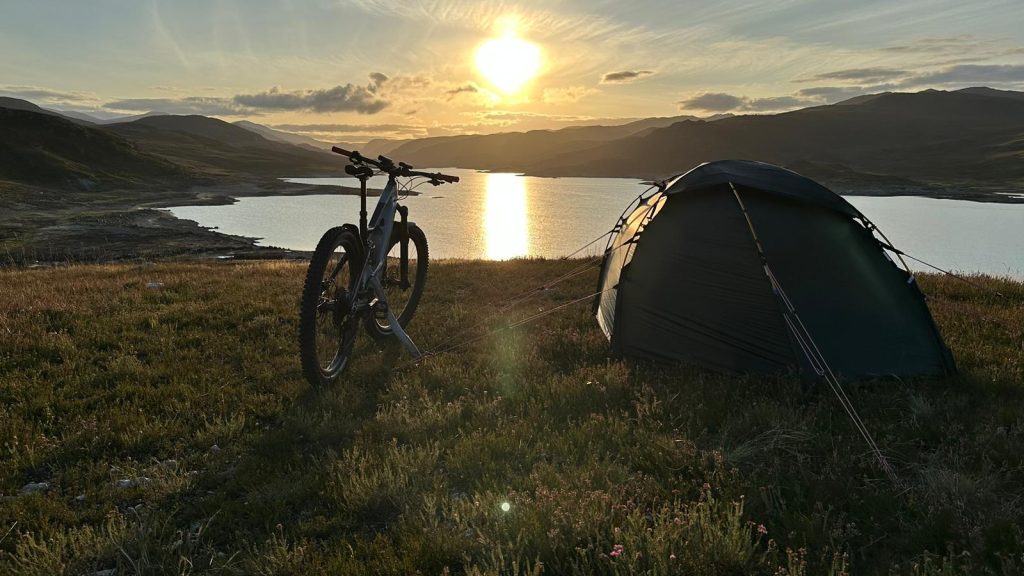
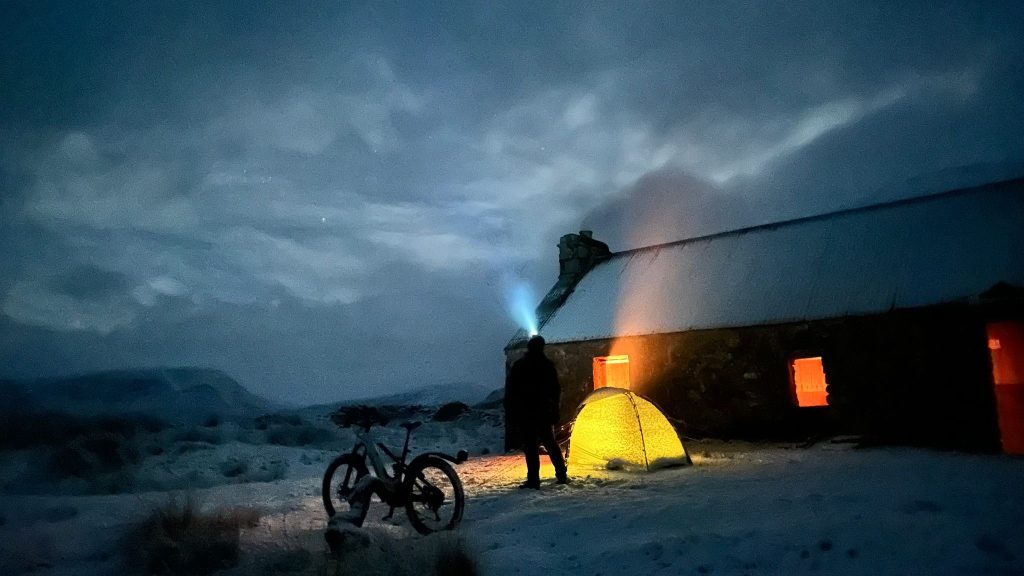
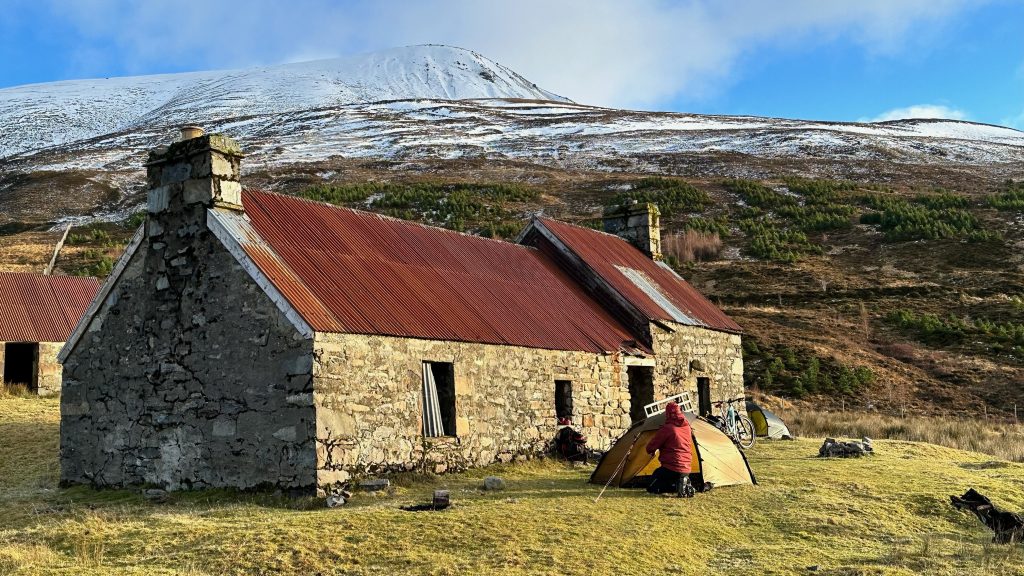
Roberto shares his photographs with us. Here are his outdoor trips to great locations.
Future Pathways supported Roberto in his goal to have more time out of his busy life. He had thought about his needs and knew that he had a passion for time outdoors. He was keen to make sure he could still go biking and camping in the winter months. This freedom would help his mental health.
But, he knew he did not have the right equipment. So, Future Pathways supported Roberto to get a new tent. This means he can now take time out anytime during the year, even if it is cold. This has helped to boost Roberto’s mental health.
Roberto completes his trips with a good friend. This gives him time to talk with someone who understands him and it allows their friendship to grow. They especially like visiting Orrin Dam and Lochan Fada.
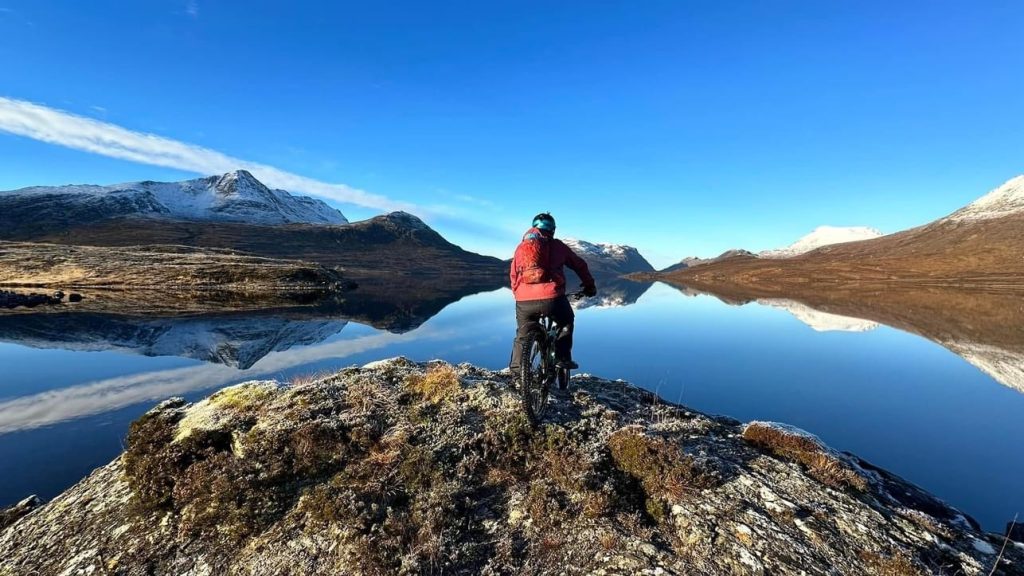
Above: Lochin Fada
Above: Orrin Dam
Above: Loch Vaich
Above: Loch Vaich
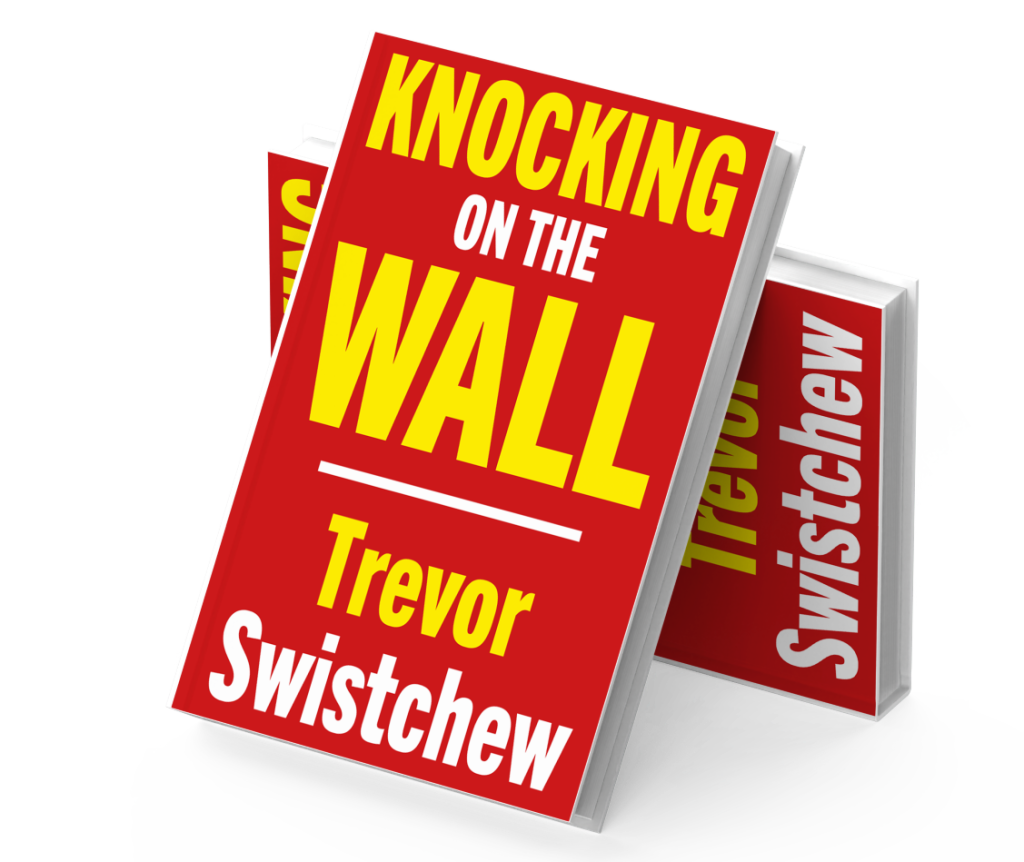
Trevor, one of the people we support, would like to share his book with you. It is called ‘Knocking on the Wall’.
Future Pathways supported Trevor to write his book in 2019. In the book, Trevor describes the different times of his life. He writes about the time with his family and also his life after leaving care. The book includes his time as a child in care homes.
Trevor wanted to share his own record of his time in care. And he wanted to explain the impact it had on his life. Trevor talks in his book about his experiences, thoughts and feelings.
It was important for Trevor to write his book. It gave him the chance to get his thoughts down on paper. He also wanted to make sure other people knew his story and he thought it might help them too.
The book includes some of Trevor’s poems. We have included two of them below.
If you would like a copy of Trevor’s book for free, he is happy to share it over email. You can ask for a copy by emailing Trevor at t.swistchew65@gmail.com or by emailing Future Pathways at engagement@future-pathways.co.uk.
Please note that the book does mention some instances of abuse.
LISTEN
Listen –
When it is dark
The sun is shining
When it is light
The sun is shining –
Always.
FREEDOM?
It is not bars a prison makes
It is what is in your head.
For each constructs within the mind
Their walls and locks and chains.
If you can look just for a while
At the views that you believe
You will start to see it is yourself
Whom you yourself deceive.
Freedom in the true sense
Is the end of all self-illusion.
Walk in love – harm no one.
We have been working with Angus. He has a very interesting hobby. He takes photos using a drone. Then he changes the images so that they look like paintings. Here are four examples of Angus’s work, and a few words from him about how it is done.
“It all started because I wanted other people to come and film the cricket field near where I live in Canada. I found myself saying ‘somebody should’. Every time I find myself saying ‘somebody should’, then usually that is a signal to say, ‘you’ll have to do it yourself’. And then when lockdown happened, I thought, well, here is an opportunity to get a drone and learn to fly it. Future Pathways helped me to get some training and certification.
At first, I thought that if I could combine beautiful landscapes with classical music, it would make some spectacular videos. Because it is a very different perspective when you are 100ft up in the air. And then I started to create some still images by taking parts out of the drone videos.
Then, because I was interested in old travel posters, I learned how to remaster images and how to blow them up large. And then from that, I figured out how to transform pictures digitally.
So, by combining all these things, I managed to create a type of art which I was not originally able to do.
I love taking the drone on holiday with me too, particularly to France. Every three metres, there’s something extraordinary to film!”
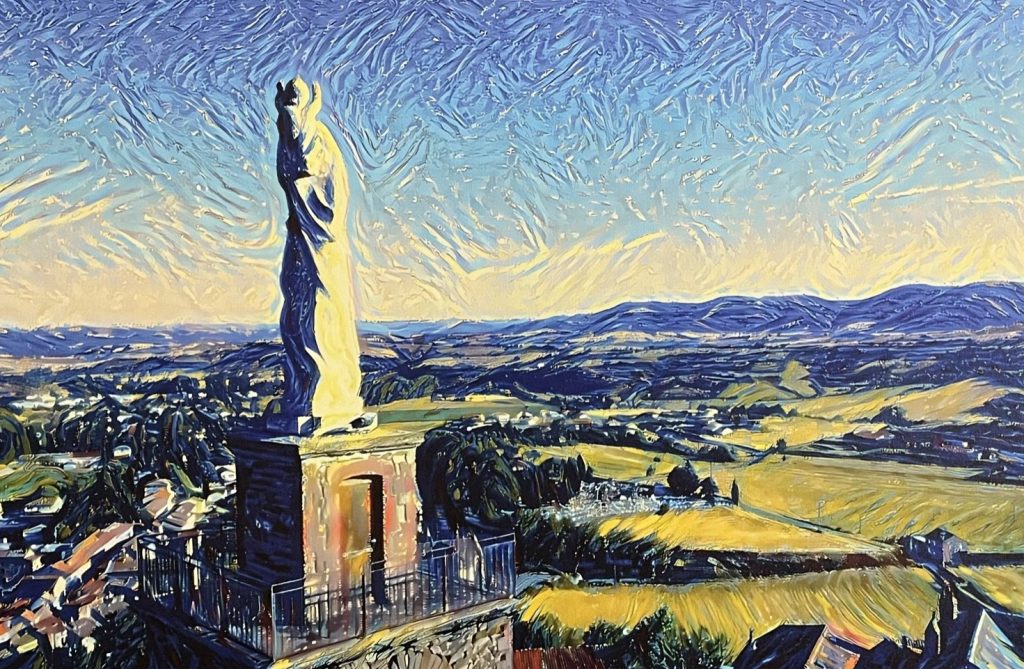
Above: Notre Dame de Camarès in the Sud Aveyron, France
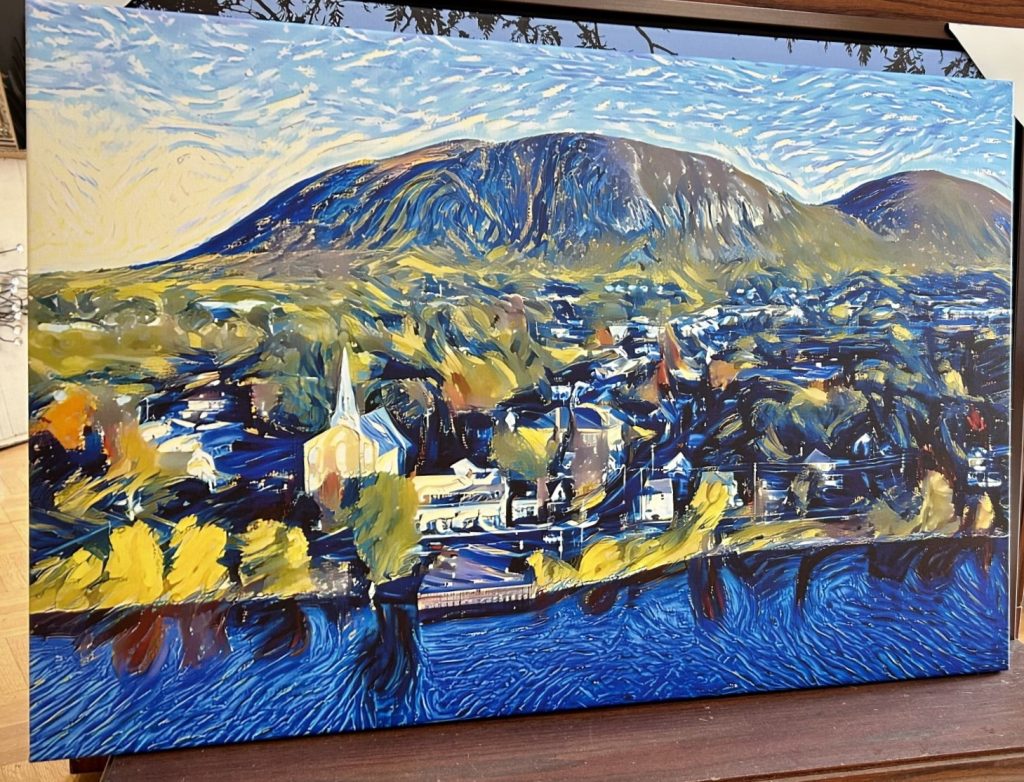
Above: Mont-Saint-Hilaire and the river Richelieu, Québec
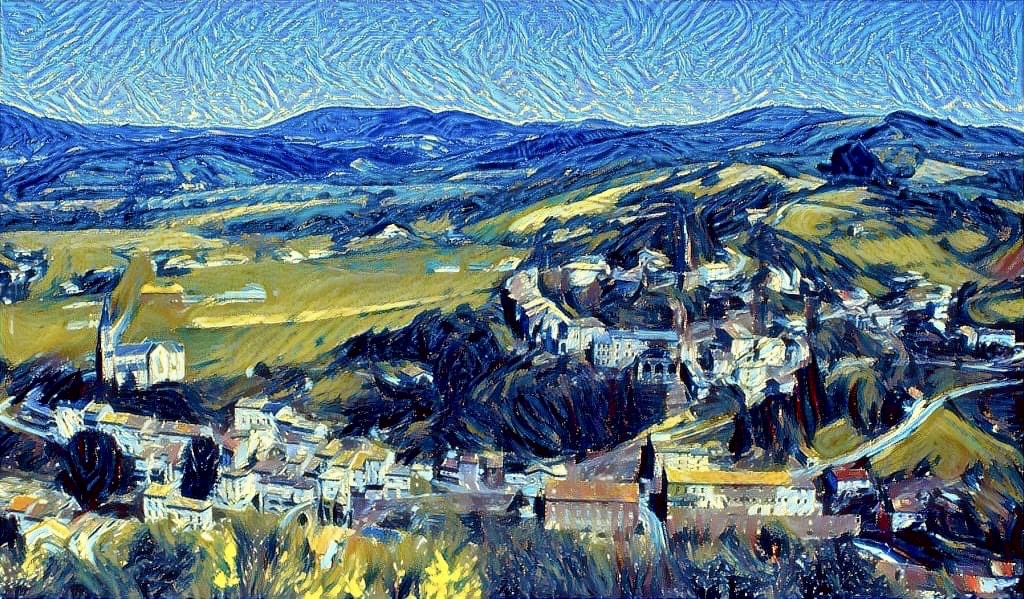
Above: Camarès, Le Balcon du Monde, France.
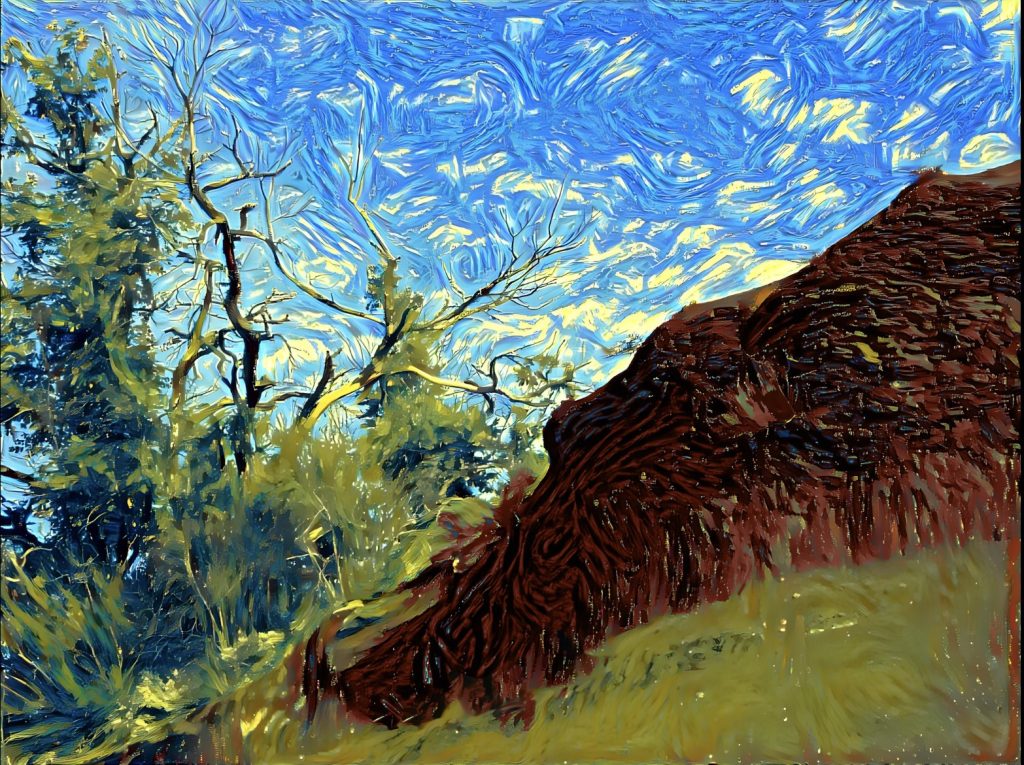
Above: Le Rougier de Camarès, France.
Angus has taken his love of art and vintage posters and created an online shop, shipping his prints all round the world. If you would like to have a look, the website is www.iwantitonmywall.com
Marie-Anne, who we work with, wrote this article for us about her recovery
journey, and how we are helping her to get a University Degree in Criminology.
My name is Marie-Anne. I first became involved with Future Pathways to help find my care records and piece my life together. I don’t think I was fully prepared for the rollercoaster that would be presented with once I received my records and realised that I was definitely in fact a survivor of multiple childhood traumas.
I became homeless for quite a number of years and didn’t address the trauma until I reached my late 20s. By then, I had enduring mental health difficulties.
That being said, I don’t regret knowing what had happened to me in early childhood and teenage
years. It did take more than a decade though to take back my life and own my own journey.
I started with an amazing mental health charity that helped me to slowly regain my self-esteem.
I then found an organisation called Venture Scotland, where I took part in a personal
self-development outdoor adventure programme. That took nearly two years.
Eventually, I became involved with Future Pathways. I may be biased, but they became my
absolute heroes. I don’t think I would have had the chance to reach my full potential through
learning, education, and self-discovery, if it wasn’t for the all the support and encouragement from my coordinator Suzie and from Future Pathways as a whole.
My dream was to study Criminology and Criminal Justice, as these have been my absolute passion for as long as I can remember.
With experiencing abuse and trauma in my past, I also wanted to reclaim my life and regain some form of empowerment.
So, I started a BA (Hons) Degree in Criminology with The Open University in Scotland. So far, I
have completed four years and graduated with a Diploma of Higher Education in Criminology. I
still have some way to go though: I have two more years left before I complete my honours
degree.
This journey I have been on has been emotional, enlightening, difficult, brave and motivational.
I really don’t know where I would be in terms of my self-worth and growth without the massive
contribution from Future Pathways.